Problem: The Pump Is Silent and Water Is Rising
A sump pump that will not turn on is the most common failure call we take in Attica, especially after spring storms when the water table jumps. The pit fills, the float should rise, the motor should kick on, and nothing happens. You hear silence, or worse, a faint hum that means the motor is trying but stuck.
Solution: Power, Float, and Manual Drain in That Order
Before you assume the pump is dead, run a short checklist. It takes five minutes and saves a lot of Attica homeowners an unnecessary replacement.
- Check the outlet with another device. GFCI outlets trip during storms more than people realize, and a reset button is free.
- Look down the pit with a flashlight. If the float is pinned against the wall or tangled in the discharge line, free it and the pump should fire.
- If power and float are fine and the pump still will not run, start manually removing water with a wet vacuum or utility pump while you call for help.
While you work, move anything porous off the floor. Cardboard boxes, particleboard furniture, and stacks of paper become trash in under an hour of contact with standing water. Our water extraction guide covers the equipment we bring on site when a single shop vac is not enough. One other quick check worth doing: if the pump hums but does not move water, the impeller may be jammed with a pebble or piece of debris that slipped past the pit screen. Unplugging the unit and clearing the intake at the base often brings it back to life on the spot.
Solution: Battery Backup, Water-Powered Backup, or Emergency Extraction
If you do not already have a battery backup sump pump, this is the upgrade that pays for itself the first time you need it. A decent backup unit runs $300 to $700 installed and will pump 1,500 to 2,500 gallons on a full charge, usually enough to ride out a multi-hour outage. Water-powered backups exist for homes on municipal water and need no electricity at all. Until you have one installed, your only real option during an outage is manual extraction and calling a restoration crew with truck-mounted equipment that runs off its own power. Test the backup battery every six months by unplugging the primary pump and pouring a five gallon bucket into the pit. If the backup does not kick on and clear the water, the battery is likely at end of life and needs replacement before the next storm season.
Problem: You Are Not Sure If Insurance Will Cover It
Sump pump failure coverage is a specific endorsement, not part of standard homeowners policy in most Attica cases. Groundwater and surface flooding are usually excluded entirely without a separate flood policy.
Problem: The Water Is Already a Few Inches Deep
Once standing water covers the floor, you are past the prevention stage. Now the questions are how to dry it correctly and whether what got wet can be saved.
Problem: The Pump Runs but Water Keeps Climbing
This one fools homeowners. The motor is working, you hear the cycle, but the basement floor is still getting wetter. That means the pump is moving water but the water is either coming back in or never leaving the property.
Solution: Call the Carrier and the Restoration Company Together
Pull your policy and look for sump pump or water backup endorsements with a dollar limit, often $5,000 to $25,000. Call your carrier to open a claim, then call a restoration company that handles claim documentation daily. Attica Water Restoration writes scope of work, moisture logs, and photo packages in the language adjusters expect, which speeds approval and reduces disputes. If your endorsement limit is lower than the actual loss, ask the adjuster about contents coverage and additional living expense, which sometimes apply separately and can close the gap on a larger basement claim.
Solution: Document, Extract, Dry, and Verify
Insurance carriers in Attica want to see the damage before it is cleaned up. Take photos and short videos of every wall, every wet item, and the pump itself. Then move into recovery.
- Extract standing water with truck-mount units, not just shop vacs. Professional extraction pulls 10 to 50 times more water per hour.
- Remove wet baseboards and cut drywall two inches above the waterline so studs and cavities can dry.
- Set commercial air movers and dehumidifiers, then monitor moisture readings daily for three to five days until materials hit dry standard.
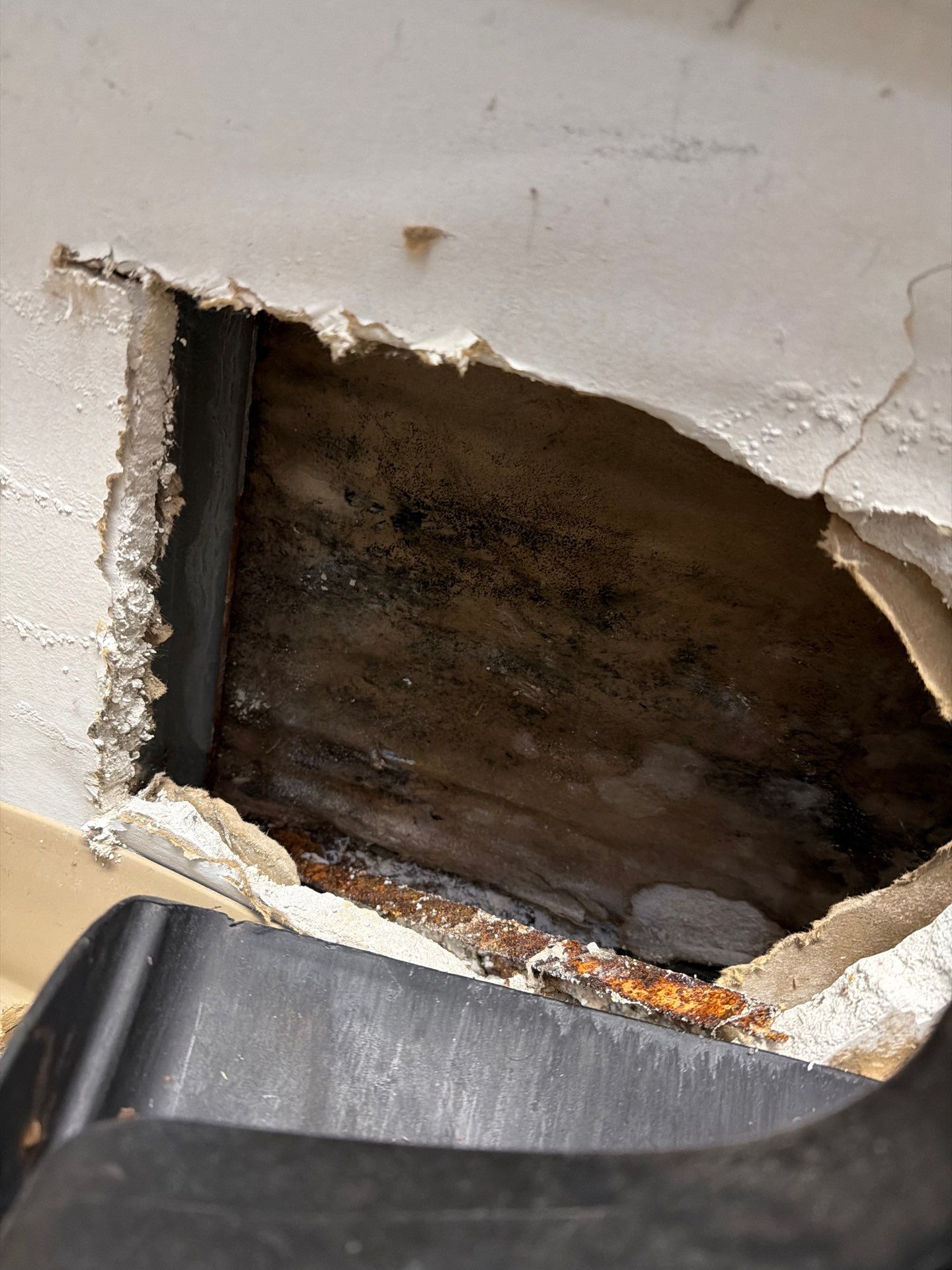
Skipping the verification step is how mold shows up six weeks later behind freshly painted drywall. Our flooded basement cleanup breakdown details the moisture targets we hit before we call a job done, and the full basement flooding service page shows what a complete restoration looks like from extraction through rebuild.
Problem: Power Is Out and the Storm Is Not
Central Indiana storms knock power out at the worst possible moment. Your pump is fine, your discharge is clear, but there is no electricity to run any of it. This is where most basement floods actually start.
Solution: Inspect the Discharge Line and Check Valve
Walk outside and find where the discharge pipe exits the foundation. In a Attica winter, that pipe can freeze solid and force water back into the pit. In summer, the line can be crushed by mulch work, clogged with debris, or pointed straight at the foundation so the same water cycles back through the weeping tile. Clear the outlet, extend it at least ten feet from the house, and check that the check valve inside is not stuck open. A failed check valve lets water fall back into the pit every cycle, which can double the runtime and burn out the motor. While you are outside, look at your gutters and downspouts too. If they are dumping roof water within a few feet of the foundation, the pump is essentially trying to bail out a swimming pool that you keep refilling. Downspout extensions and a grade that slopes away from the house take pressure off the pump during heavy rain events.